A conference on how small-non-profits (SNP) can navigate their obligations under Alberta’s occupational, health, and safety (OHS) legislation.
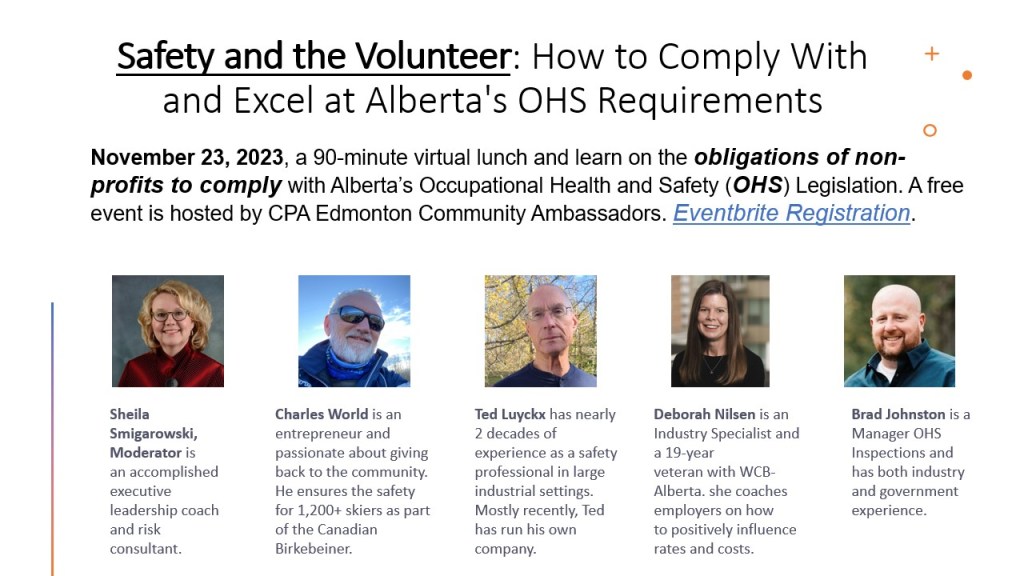
The risks to SNPs of Alberta’s OHS legislation was outlined in the previous blog, Safety, the Volunteer, and the Accountant. A conference/ information session was proposed to help guide volunteer boards in this respect. This post provides further details on the conference.
- OHS Conference
- The Data
- Conference in Context to the Data
- Conference Format and Agenda
- Conference Learning Objectives
OHS Conference
CPA Alberta and CPA Community Ambassadors are hosting Safety and the Volunteer: How to Comply With/Excel at AB’s OHS Requirements [EventBrite Registration] on November 23, 2023.
The Data
As part of the registration process, a series of questions are asked to help the speakers tailor their respective presentations. Two questions in particular have shown good results:
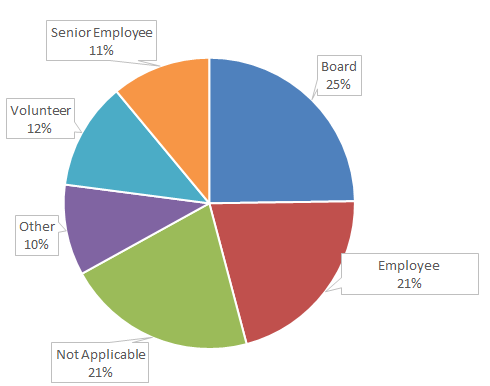
- What is your role in this non-profit (e.g. the most senior in the non-profit)?
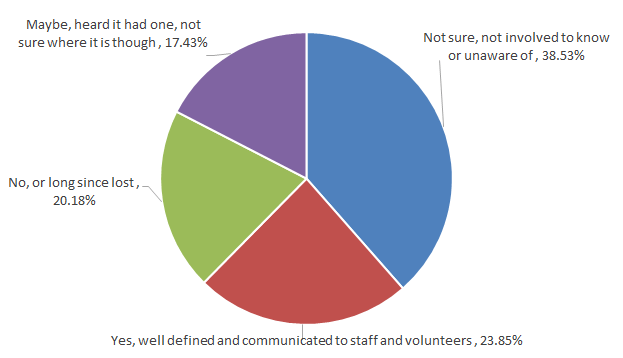
- Does your non-profit have an Occupational Health and Safety Program?
Conference in Context to the Data
Problem
What are the occupational health and safety (OHS) obligations of a volunteer based small non-profit (SNP) in respect to OHS Legislation in Alberta; what are the tools and best practices to meet these obligations effectively and efficiently?
About a third of the attendees are either Board Members or Senior Employees (Officers) of the non-profit. This conference is relevant to them as they are at the greatest risk if an incident occurs, and negligence is proven – such as not complying with Alberta’s OHS legislation.
Background
Volunteers are counted as unpaid employees under Alberta OHS legislation.
A non-profit organization must have a health and safety program if it has 20+ volunteers.
There are numerous OHS resources available but very few specific for a small non-profit.
75% of the attendees could not readily point to a safety program in their organization. This increases the risk to the Board Members and Officers of the non-profit.
Conference Format and Agenda
A ninety-minute virtual lunch and learn hearing from non-profits on how they manage the OHS opportunities and obligations. The conference will be held on November 23, 2023. In addition to the presenters, best practices may be shared amongst the attendees.
- What Changed? OHS, the Volunteer, and What the Board Needs to Know.
- Ted Luyckx has nearly 2 decades of experience as a safety professional in large industrial settings. Mostly recently, Ted has run his own company. Ted is also the Safety Lead for the Canadian Birkebeiner Society; 15 minutes.
- The Birkie Experience. How the Canadian Birkebeiner has tackled and optimized the OHS requirement,
- Charles World is an entrepreneur and passionate about giving back to the community. He ensures the safety for 1,200+ skiers as part of the Canadian Birkebeiner, 15 minutes.
- When Do you Call WCB? WCB insures against risks of an employee, or volunteer, injury. When should a non-profit consider WCB coverage and what does it cost?
- Deborah Nilsen is an Industry Specialist with WCB-Alberta where she coaches and educates employers on how to positively influence (e.g. reduce) rates and claim costs.
- What Are Best Practices? The Government of Alberta is constantly updating and improving the OHS regulations and material. What is an example of a resource useful to a non-profit?
- Brad Johnston, Manager OHS Inspections, he has both industry and government experience.
- What’s
- Next for the Board? How to build ‘Just Enough’ OHS to be compliant AND benefit from the requirement; how to integrate OHS into the volunteer life cycle, 20-30 minutes.
- Sheila Smigarowski, Moderator and will lead this panel discussion. She is an accomplished executive leadership coach and risk consultant.
Conference Learning Objectives
Conference Content: Key learnings and questions to be answered are as follows:
- Overview of OHS legislation for a volunteer based small to medium sized non-profit.
- How are volunteers counted to get to the ’20+’ number; what do <20 organizations need to have in place?
- Risks to the board in relation to the legislation, accidents with volunteers, etc.
- What happens if a volunteer is injured, access to resources.
- If a board only did three things in context of their OHS obligations, what would they be?
- How can OHS compliance enhance the volunteer experience?
- Best and better practices in Alberta
- Where does the Workers Compensation Board come into this?
- Technology, tools, and methods available to non-profits for free to close to free.
Bonus Questions: as time and resources permit:
- How does the risk profile change between the size of the non-profit, the type of programming it runs, and its geographical location?
- What is the role of the volunteer to identify and assess potential hazards and risks for volunteers?
- While assessing risks is important, how do you deal with ‘nuisance’ reporting from a disgruntled volunteer?
- How do you avoid creating the ‘mother of all Safety Binders’ that no one reads?
- What does ‘Just-Enough’ Safety look like and how do you convince a Safety professional that less is more?
- What should be in a safety meeting for volunteers and how often should they be run?
- What can we learn from other provinces (or jurisdictions) and what is specific to Alberta?
- What should be in a safety inspection; how do the inspection differ between an event-based organization (e.g. the Canadian Birkebeiner or a musical festival) and an operations-focused one (e.g. a food bank or animal shelter)?
- What measures should be in place to address the unique needs of volunteers, such as those with disabilities or specific health concerns?
- What procedures (e.g. documenting and reporting) should be followed if an incident occurs?
- What are best practices to comply and exceed requirements to communicate safety information and updates to volunteers (e.g. websites, volunteer manuals, social media posts, etc.)?
- How can non-profit organizations stay informed about relevant changes in occupational health and safety regulations and standards?
- What strategies can be implemented to ensure the mental health and well-being of volunteers in addition to physical safety?
- How should non-profit organizations handle risk assessment for volunteer roles that may involve higher levels of physical or psychological stress?
- What recommendations do you have for non-profit organizations to continuously improve their occupational health and safety programs for volunteers?
- How does OHS legislation apply to virtual organizations convened via social media? For example, what are the obligations of FaceBook (or Meetup, Instagram, etc.) towards a volunteer who is running an event within a group on one of these platforms? If there was an injury, under which jurisdiction would if fall?
 Organizational Biology
Pingback: Dragons and Protected Areas – April 4, 12-13h | Organizational Biology
Pingback: Creating Citizen Stewardship | Organizational Biology
Pingback: Organizational Literacy | Organizational Biology
Pingback: Is Nonprofit Incorporation Worth the Bother? | Organizational Biology