A dark ‘game’ used in select Financial Literacy circumstances to teach how compounding interest works as well as the value of paying down debt.


A dark ‘game’ used in select Financial Literacy circumstances to teach how compounding interest works as well as the value of paying down debt.
Bikes are marvels of engineering. They have come a long way from the first bone cracking wooden contraptions [1]. A bit maintenance goes a long way and helps to keep a rider from having to call in a rescue.

In the previous blog, “Four Human Assets“, this model was introduced. In this blog, four lives demonstrating the importance of balancing the ‘4Human-Assets’.

Accountants define an asset as: “…a resource controlled by the entity as a result of past events and from which future economic benefits are expected to flow to the entity.” [1]

One of the challenges of teaching financial literacy is developing an assessment of where individual students and the entire class is at in regards to their knowledge and habits. The following self-assessment tool is a non-scientific method to perform this evaluation.

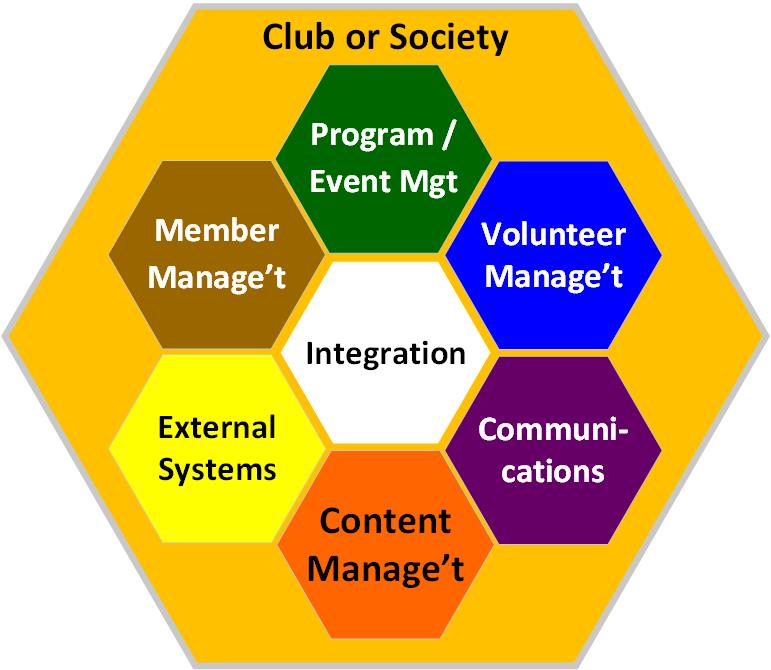
Clubs, societies and non-profit’s come in many shapes and sizes (see Volunteering Definitions for an overview of the differences). This discussion focuses on the question what are the core functions that occupy or consume volunteer or staff time?
One definition of financial literacy is: “… having the knowledge, skills and confidence to make responsible financial decisions.” [1]

For the third year, I have been a member of Alberta Chartered Professional Accountants (CPA) achievement awards review committee.

Human resource costs can represent a large portion of an organization’s budget. They also come in a variety of shapes and sizes: hourly, salary, permanent, temporary, contracted, etc. This blog provides a range of methods to estimate these costs. A key feature is that there is not a one-size fits all solution.


 Organizational Biology