My notes from a session hosted by Tony White, a consultant and training specialist from Ontario [1]. This 3.5-hour session was hosted by the Canadian Executive Services Organization (CESO) and was well run and informative.

My notes from a session hosted by Tony White, a consultant and training specialist from Ontario [1]. This 3.5-hour session was hosted by the Canadian Executive Services Organization (CESO) and was well run and informative.
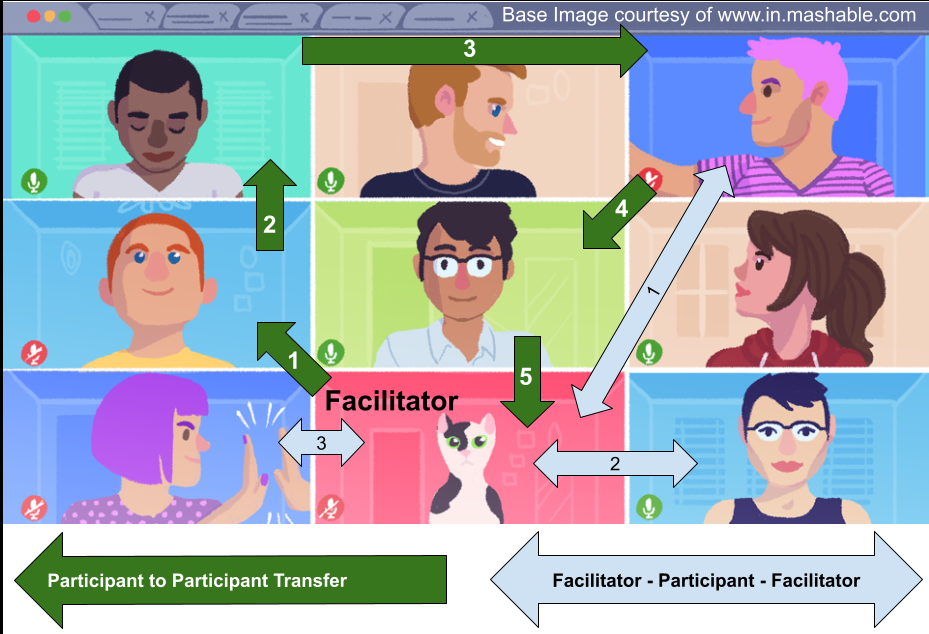
Control a meeting can be a challenge [1] and a virtual even more so. Part of the following series, this and following blog will discuss Zoom-tools and methods to keep a meeting under control and the participants engaged.

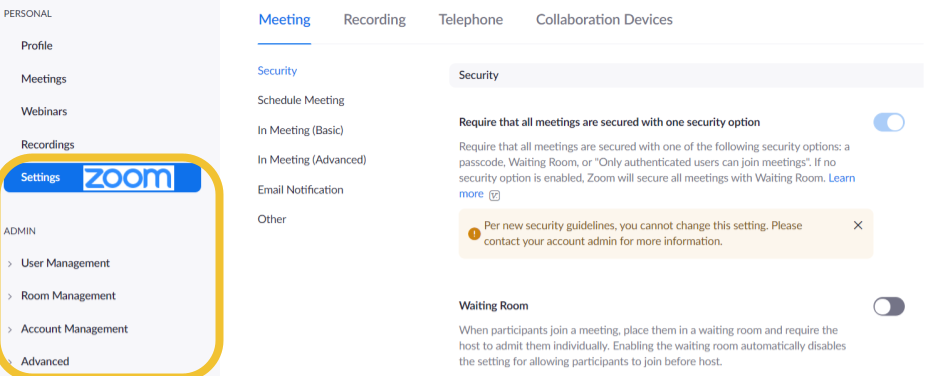
In a previous blog (Freely Zooming in on Non-Profits), an organization has acquired Zoom. The second blog in the series (Setting Up Zoom (TOO MANY OPTIONS!)) discussed which buttons to push to make the tool work optimally for non-profit. Now you are ready for your first big meeting, YEAH!

In a previous blog (Freely Zooming in on Non-Profits), an organization has decided to use a free version of Zoom or purchase a license, the good news. The better news is that Zoom is a highly configurable tool designed to be used in large organizations with a myriad of complex and varying business requirements.
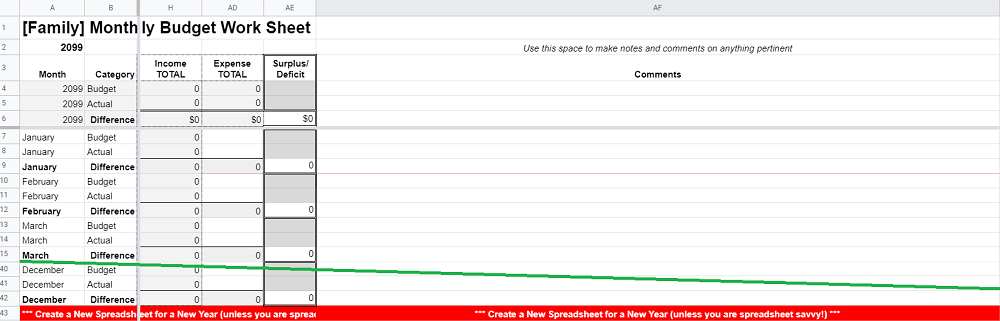
My blog, Go Forth and Budget, discussed the challenges of a family finding the time, tools and enthusiasm to budget. These challenges were presented in a 2×2 Family Budgeting. This blog provides one solution: A Simplified Family Budget Spreadsheet.
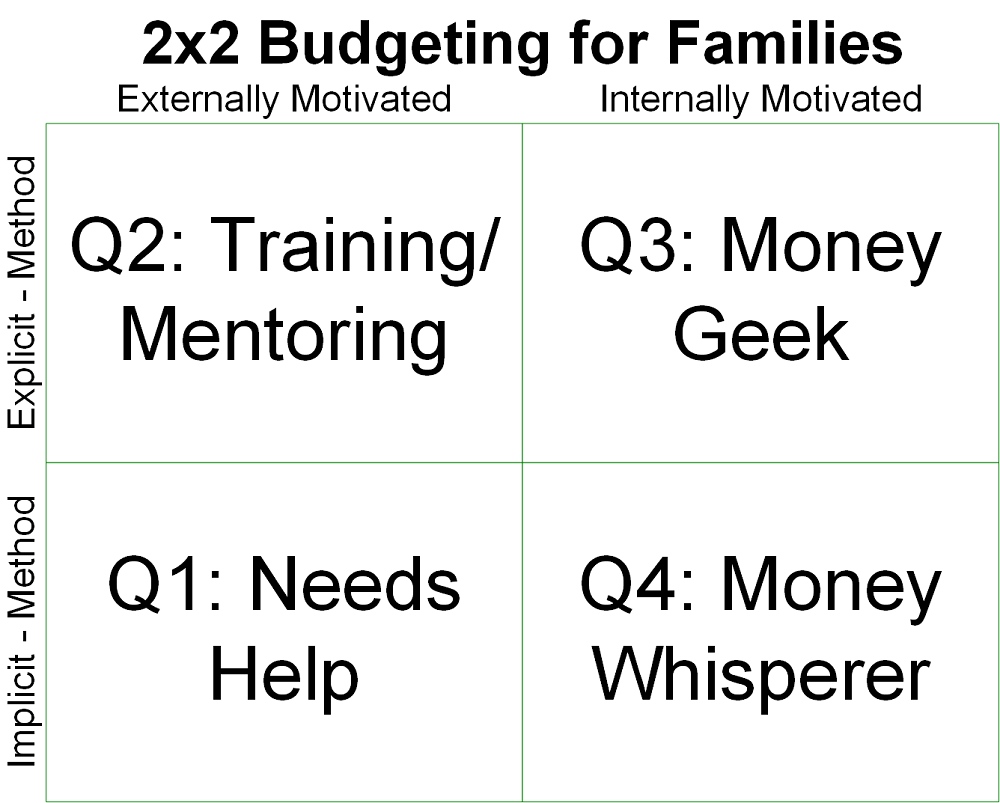
The previous blog, Go Forth and Budget, described two challenges facing a family attempting to develop a household budget: staying motivated and which budgeting method to use. These challenges can be mapped onto a 2×2 Matrix as follows:
Having been a ‘budget-guy’ my entire professional life, I have promoted the concept of ‘Just-Enough Budgeting‘. Use only enough planning to achieve the maximum value from the planning [1]. Developing financial plans are expensive, challenging to maintain and may run counter to the well-being of an organization [2].

 Organizational Biology