Unknown's avatar

About Frank SAPAA

Webmaster and Board Member of SAPAA and born and raised Albertan. Love exploring Alberta particularly in the winter on snow shoes.

Ribbon Cutting and Fire Rescues

Elected officials face the dual challenge of delivering good government while engaging in ribbon-cutting and crisis rescues. As public expectations rise, the complexities of governance increase, often leading to instability. Balancing immediate public appeasement with long-term effective management is crucial for maintaining a functioning civil service and a successful democracy.

Continue reading

Organizations in Four Part Harmony

What exactly makes up an organization and how is work done within them?  This is a subject of a handy mental model I use when I am trying to understand an organization; an organization in four part harmony.

1.    Harmony 1, Infrastructure: the furniture, furnaces, machinery and head offices of the organization.  Note that in many organizations infrastructure is often a non-tangible.  For example a computerized airline reservation system or perhaps a finance system.

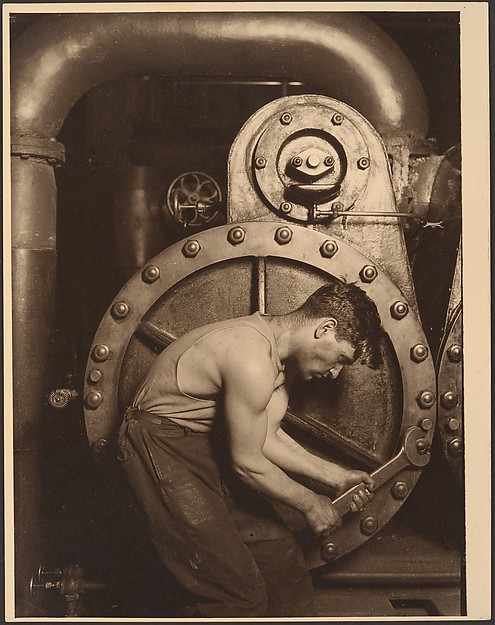
Steamfitter, by Lewis Hine (American, 1874–1940) .  Metropolitan Museum of Art, New York.  Accession Number: 54.549.56

Steamfitter, by Lewis Hine (American, 1874–1940) . Metropolitan Museum of Art, New York. Accession Number: 54.549.56

2.    Harmony 2, Operations: these are the day-in-day-out processes, tasks and procedures which we typically hire people to do.  Accounts payable clerks, widgets assembler or process engineers are hired because payables need to be clerked, widgets assembled and processes engineered.

3.    Harmony 3, Ad hoc activities: if you have a reserved parking spot close to the head office of an organization, I bet this is what you do all day.  Sure, you were hired to do operations (Chief Executive/Finance/Information Officer) and sometimes operational work sneaks in when you are not looking.  More than likely though, you have crossed into the grey and smudgy no-man’s land that separates operations from the world of the ad hoc.

4.    Harmony 4, Strategic thinking/planning: Periodically, the leaders of an organization will set aside their many ad hoc and fewer operational activities to complete strategic plans.  Strategic plans hopefully answer questions like, do we have the right infrastructure, efficient operations and why are there so many ad hoc activities.

Four Perfect Harmonies

If you dig out your old college text books, organizations are described as functioning something like this.  Wise executives poke their heads up from the fray and gain strategic knowledge.  In turn, this knowledge is used to tweak infrastructure and adjust operations.  Ad hoc opportunities are few and nearly always involve entering into new markets, maximizing shareholder wealth or stakeholder well-being.

Dilbert and The Four Harmonies

In a Dilbert’esque world, the four harmonies work in isolation.  Most of the management focus is on performing ad hoc work that usually involves fixing or infrastructure or operations.  This is because infrastructure suffers from a lack of investment while operations are conducted by poorly trained leading the newly hired.  The only time either of these harmonies get any attention is when they fail and then they are hastily repaired, usually in an ad hoc manner.

Beyond the Harmonies

Most organizations fall in between these two extremes.  Ideally infrastructure is like a well-run furnace on a cold winter’s day – well-functioning, appreciated and invisible.  Time invested in operations saves management effort solving future ad hoc problems (an ounce of prevention is worth of pound of cure).   Ad hoc efforts need to be the exception and not the standard modus operandi of an organization.  Unfortunately management through heroics and drive by management can make it difficult to operationalize a corporate culture used to the adrenalin rush of the last moment.

Finally strategic planning should be an ongoing rather than intermittent activity, ad hoc activity.  Ideally, an orchestra-conductor makes small corrections to the harmony rather than having to stop the tune and start again from the top.

Organizations are much too complex to fit into four neat buckets, but it is surprising how this simple model has help me channel my thinking about complex and abstract structures, such as organizations.  So, how well does your organization manage the four harmonies and what are your thoughts on the mental model?  As always drop me your thoughts, ideally via a singing telegram in four part harmony.

Needed: 1 Good Intern

Do you know someone who has just graduated from an accounting, business or finance program and is considering pursuing the new Canadian-CPA designation?

Advanced Education CPA-IT Intern Program

Within the ministry of Advanced Education I am recruiting my first ‘pre-CPA’ intern. I am looking for that one person (young, new-Canadian, new career) who can shine and make the program widely successful within the Government of Alberta.

I am keen to have the right person because:

  1. I love working with bright, motivated people who push my envelope and who I can mentor to future success
  2. The first often influences the rest – I want that one person who helps others to understand what a successful intern program looks like; success to creates success
  3. As the ministry of Advanced Education, I want/need to demonstrate that we walk the talk in fields of learning and leveraging Albertan and international post-secondary graduates

Below are two key links, one an overview of the recruitment the second my philosophy on running intern programs.  As time and interest permits, I will post future blogs on the value of things like:

  • Running pre-recruitment conference calls
  • The value, costs and benefits of testing before selecting the short list
  • Onboarding the first intern, how hard can it be?
  • The pre-CPA-Training program: does it work and its value

Key Links

S(p)in City – Cycling Vegas: Wetlands & Lake Las Vegas

Day 3 was the chance to really enjoy Vegas as a metro area that actively supports cycling.  We drove only a little ways from our hotel (mostly to be closer to the bike shop for when it closes) and then rode the street and dedicated bike lanes through Henderson and into Lake Las Vegas.

Blogs and Key Links

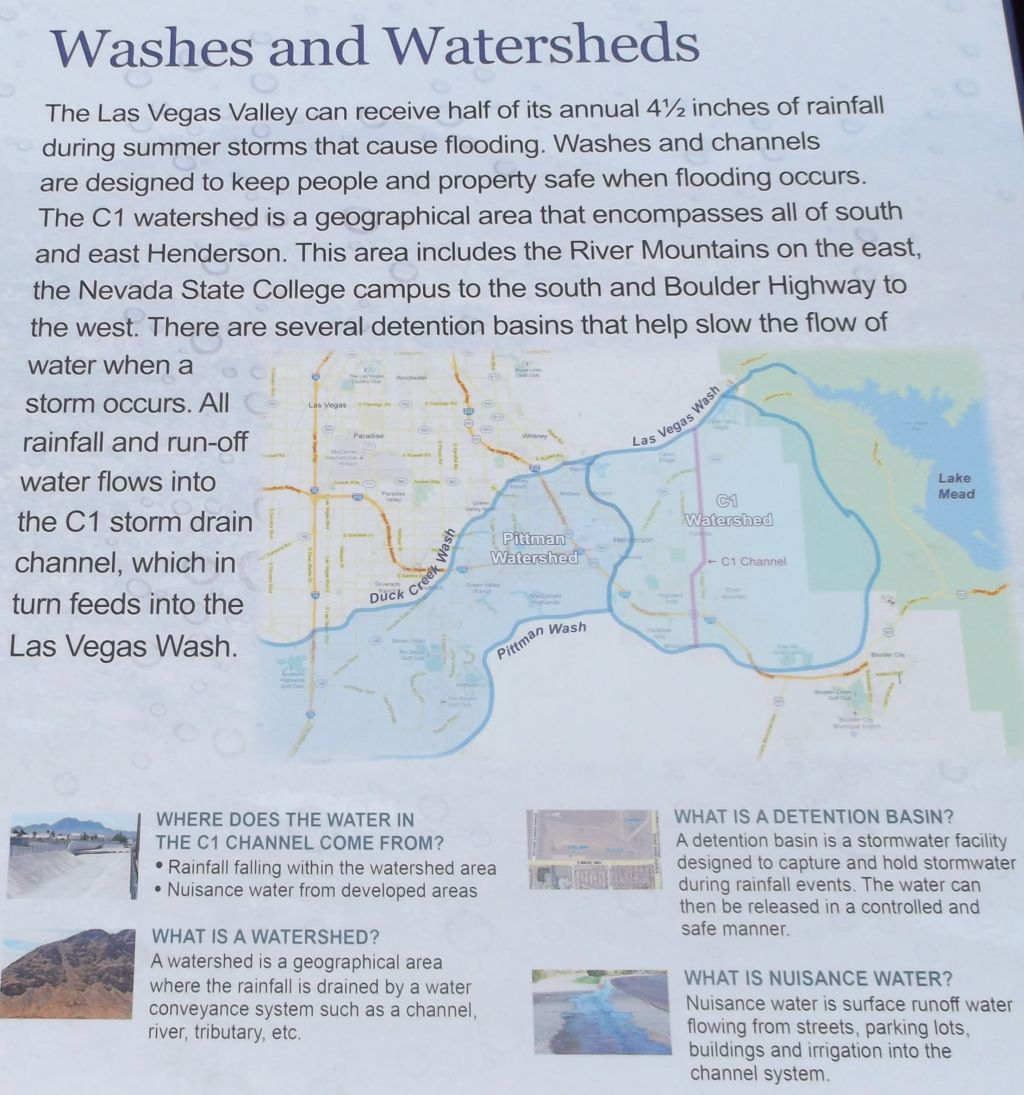
Our destination was recommended newly created trail called the wet lands.  A name one does not normally associate with Vegas.  As it turns out, this was a water-course that collects much of the rain water from metro-Vegas, channeling it into Lake Las Vegas and then into Lake Mead.

2014-11-02 - Las Vegas Watershed

2014-11-02 – Las Vegas Watershed

Cycling Lanes in Vegas

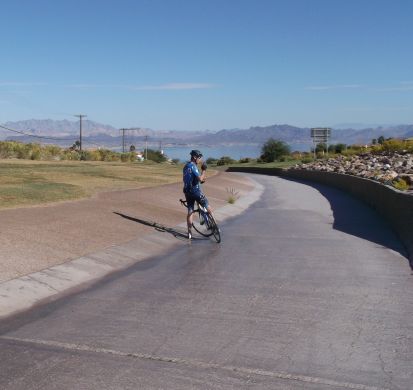
Many of the streets in Las Vegas either have a separate cycling lane or a dedicated on-street cycling path.  Generally drivers seem to respect cyclists and for the short time I was in the city, did not notice much in the way of conflict between the two.

2014-11-02 - Las Vegas Cycling Lane

2014-11-02 – Las Vegas Cycling Lane

Wetlands Trail

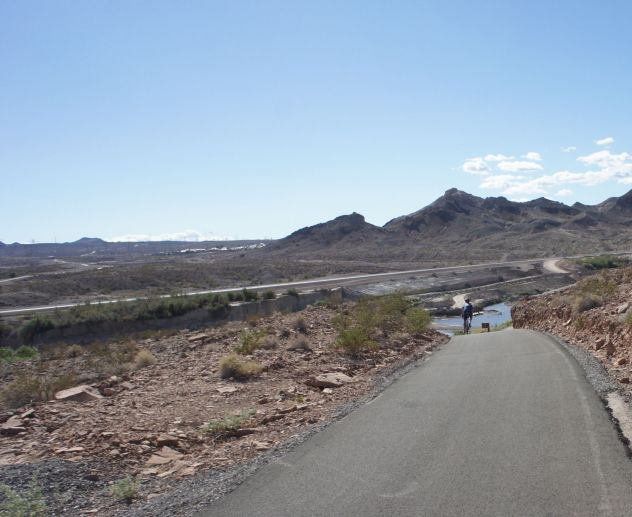
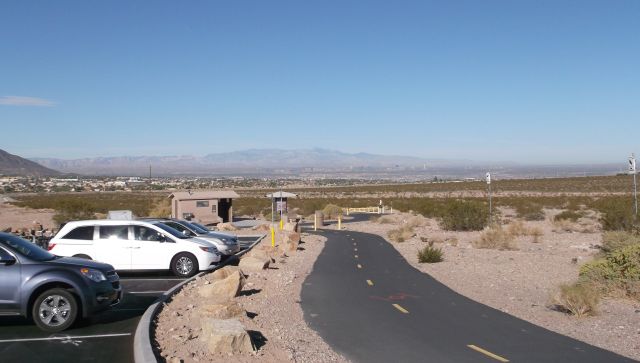
Following the man-made and natural contours of the desert, the Wetlands trail is an undulating route that starts at the river level, quickly climbs and then desends again back to river level.  Being closer to the metro areas, we saw more walkers and bikers en route including numerous families.

2014-11-02 - Descending to the River After Climbing out of the Valley

2014-11-02 – Descending to the river after Immediately after climbing out of the valley

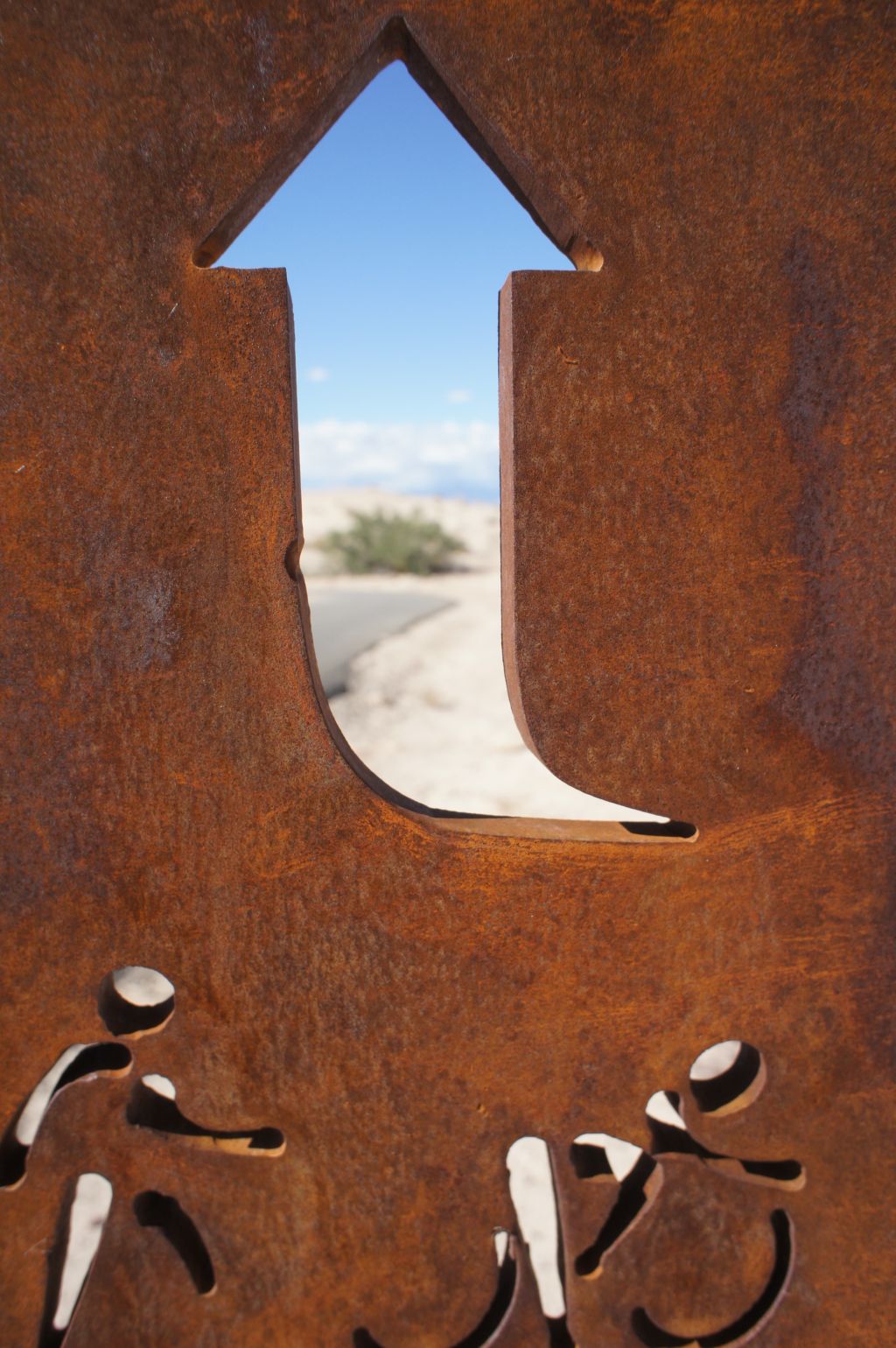
The trail itself was well-marked with sign posts along the way.

2014-11-02 - Signage en route of the Wetlands Trail

2014-11-02 – Signage en route of the Wetlands Trail

After a juice and snack in Lake Las Vegas (and a decision not to climb the hill to see if Celion Dion was home in her palatial abode), we returned to Henderson.  A side trip to McGhie’s Bike Shop allowed me to pick up a souvenir bike jersey.  Afterwards, we returned the bikes and had a final supper at the Las Vegas Hofbrau Haus (see trip advisor review below).

This was the third and final day of nearly 200km and 8,000 ft of excellent cycling.  I will likely be back to complete some routes and challenges missed in this go-round, but until then –  a great trip in the surprising cycling nirvana of Las Vegas!

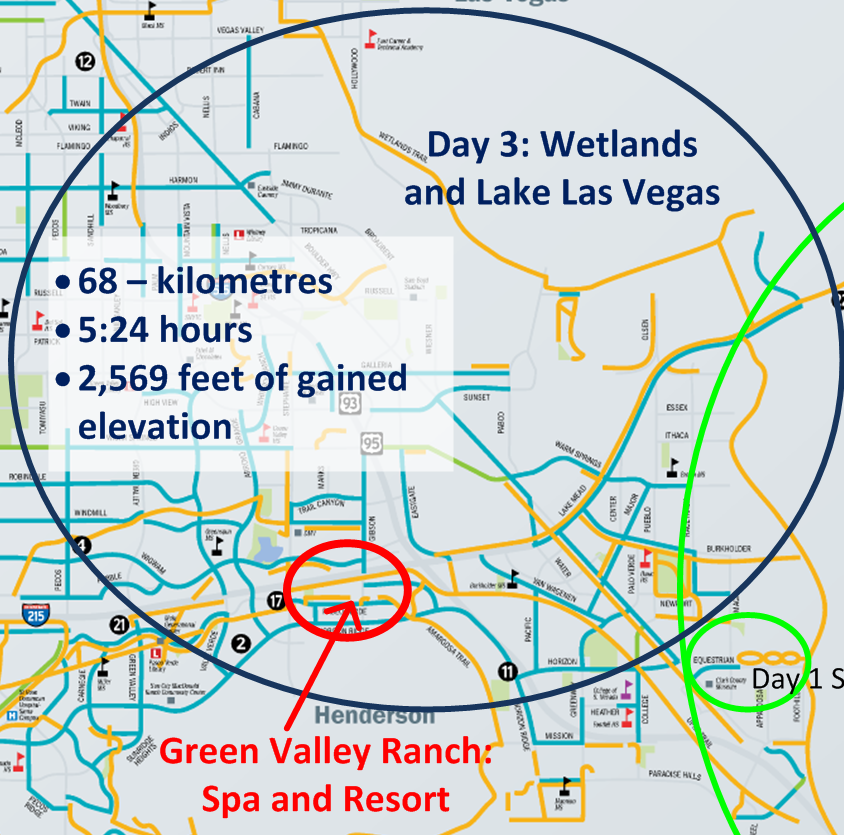
2014-11-02 - Day 3 Ride

2014-11-02 – Day 3 Ride

An American Treat, A Bayern Disappointment”

Having lived in Munich for nearly two years, I was used to taking visitors to the HfBH. Ten years on, I thought it would be fun to visit the replica in Las Vegas.

The conclusion, a good illusion, ok food and tasty beer. The LV location was authentic in that the serving staff were a bit indifferent and seemingly bored with the whole schtick.

The food was dry and obviously prepared well in advance so that guest could eat and turn over the table fast for the next set of tourists.  Overall, an OK replica but visit the real thing when you can – even better spend a few days enjoying the German life in a beer garden with real Munchners.

S(p)in City – Cycling Vegas: Red Rock Canyon

Red Rock Canyon is visible to the west of Las Vegas on most days.  A band of red rock and small’ish mountains/hills provide a physical border towards the setting sun.  Beyond a border, the area has a history of being a place of year-round water, a way-station for ranchers and Spaniards, a place of homesteading dreams and a playground for the wealthy (including Howard Hughes).  Today, these different threads are combined into a National Forest with stunning vistas and about 20+ km of great riding.

Blogs and Key Links

An Early Start and Traversed Ascent

Given that about half of the trail is ascent with the other descent, overall there is on average a 4% grade both up and down.  The trouble with averages is that they don’t help your exploding lungs as you climb steep pitches.  Given that the road was one way and quiet when we started, my solution was a traversed ascent for the steeper bits.  A slow zig-zag across the road took the 8-10% grades closer the to the 4% average.

The day itself was considerably cooler than the prior day with a strong wind later in the afternoon.  While G. remained firmly bundled up for the entire ride (he was also not feel 100% due to some dehydration from the previous day), I welcomed the 10C weather.

Twelve Miles of Awesome

Perhaps the greatest challenge with this ride is selecting the photos for inclusion.  The following is a collage of the 12 mile posts found along the way, each suggesting a slightly different character found along this short ride.

2014-11-01 - Mile Post Collage

2014-11-01 – Mile Post Collage

 Wild Life Sighting

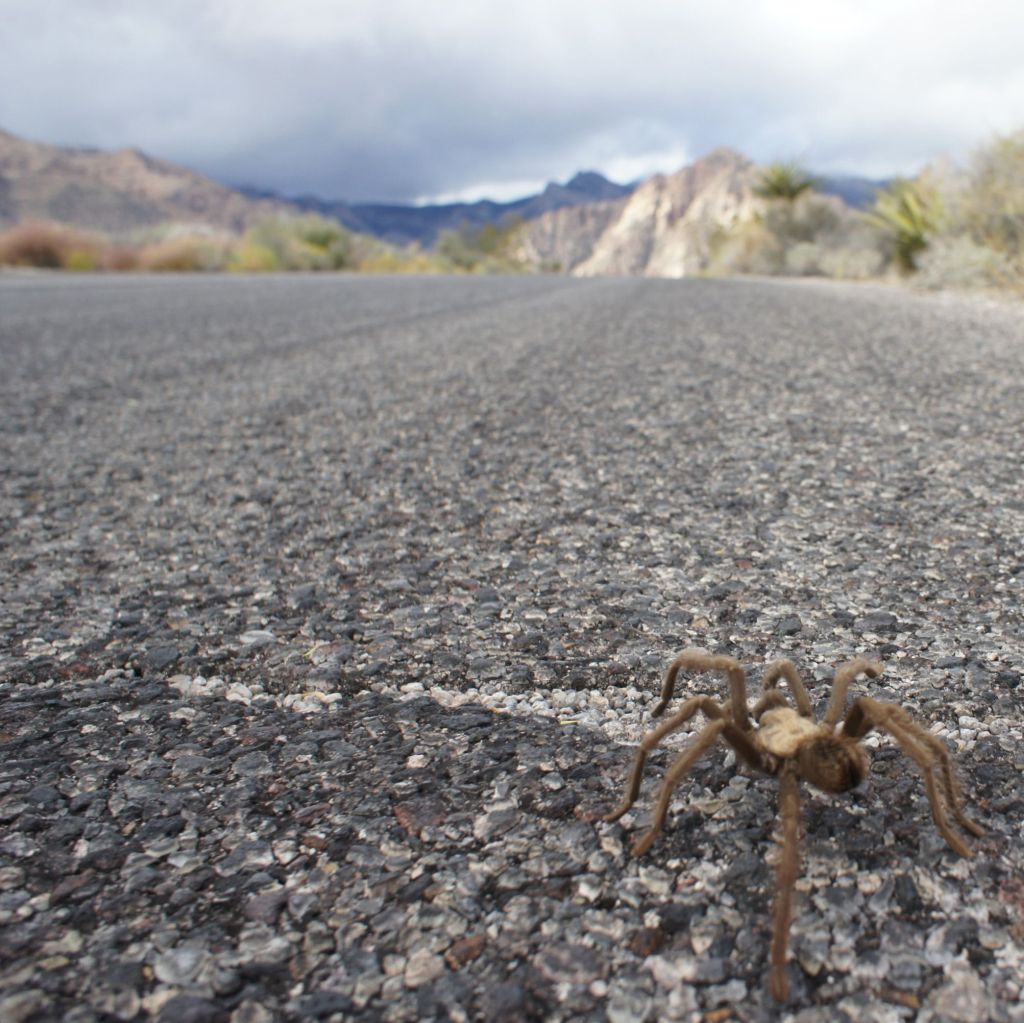
I was hoping to see more wildlife and some of the desert critters.  Alas, the following was the only desert dweller we came across on our rides (and fortunately not in our hotel room).

2014-LasVegas-Day2-Desert Critter

2014-LasVegas-Day2-Desert Critter

Trip Summary

G and I were planning on riding further on Day 2.  Unfortunately strong winds, cool temperature and G not feeling great cut our trip short.  While G took a nap, I poked around Las Vegas and enjoyed an afternoon of playing car-based tourist.  The rest was probably a good idea given the distance and elevation on day 3.

2014-11-01 - Day 2 Overview

2014-11-01 – Day 2 Overview

S(p)in City – Cycling Vegas: Hoover Dam and the Loop

Visiting Hoover Dam has been on my bucket list for a long time.  In fact, after visiting Vegas in 2010, I said that I have only two reasons to ever return: visit the dam and hike the desert.  On this ride I got 50% of my reasons to return.

Blogs and Key Links

Staging Point – Equestrian

Located near the Clark County Museum (a reference only fans of Pawn Stars would get); this is a large parking area in the 8-o’clock position of the River Mountains Loop Trail.  As it turns out, it is also a relatively high spot on the trail (635m) given the descent we experienced and the grinding ascent later in the day.

2014-10-31 - Equestrian Staging Area

2014-10-31 – Equestrian Staging Area

Descent Into Boulder and the Dam Ride

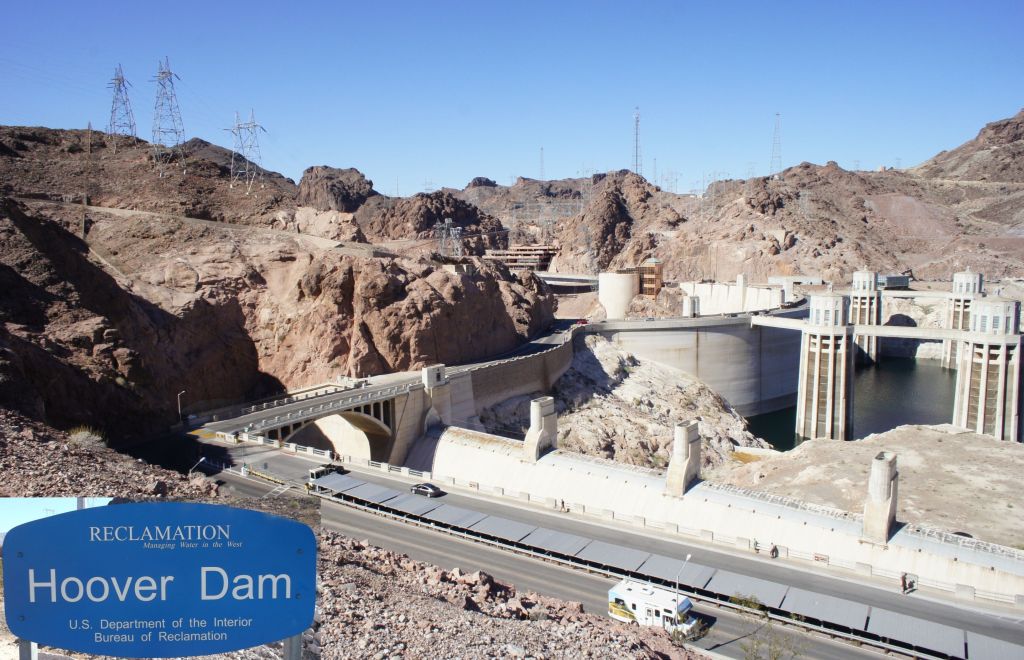
Riding clockwise along the River Mountain Loop, our general direction was toward Boulder Nevada.  The descent into the Hoover Dam saw a loss of more than 150M down to 387M at the top of the Dam.  En route, a section of the trail doubled as a flash flood spill way (aka skate-board turn pike).

2014-10-31 - Descent into the Hoover Dam via the spill way (aka turnpike)

2014-10-31 – Descent into the Hoover Dam via the spill way (aka turnpike)

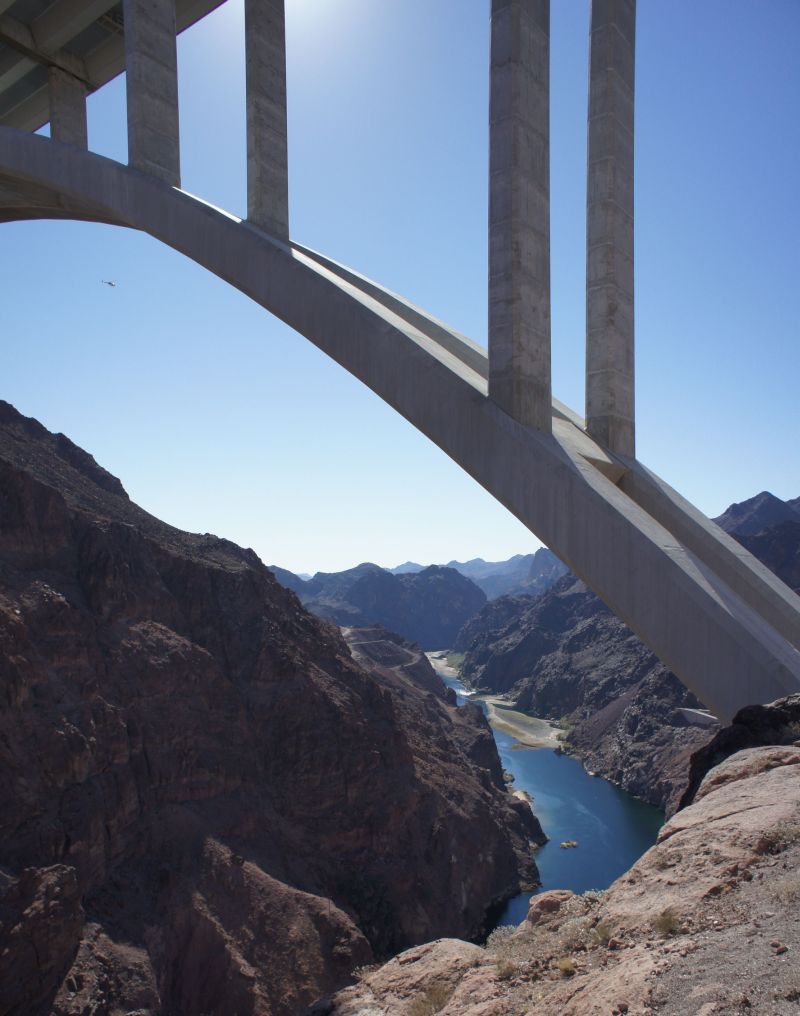
The actual descent toward the dam included by-passing the new bridge, clearing a security check point and seeing the US-federal government fineness pull over a seemingly innocent looking car.  Both the ride and K-9 units were quite exciting.

2014-10-31 - The New Bridge

2014-10-31 – The New Bridge

2014-10-31 - Descent and the K-9 Unit

2014-10-31 – Descent and the K-9 Unit

2014-10-31 - From the Arizona Side

2014-10-31 – From the Arizona Side

Ascent Out of the Dam – the Climbing Begins

For every descent, there is usually an ascent; and despite delaying at dam level, we began to make our way up again.  Fortunately a parking garage and elevator shaved five-stories of climbing off of our return to the River Mountain Loop.  Unfortunately the rest was either ride or push; including the initial ramp from the parking garage to the Tunnels Trail.

2014-10-31 - Start of Tunnels Trail

2014-10-31 – Start of Tunnels Trail

Historic Railroad Tunnel Trail

According to its website, the Historic Railroad Tunnel Trail:

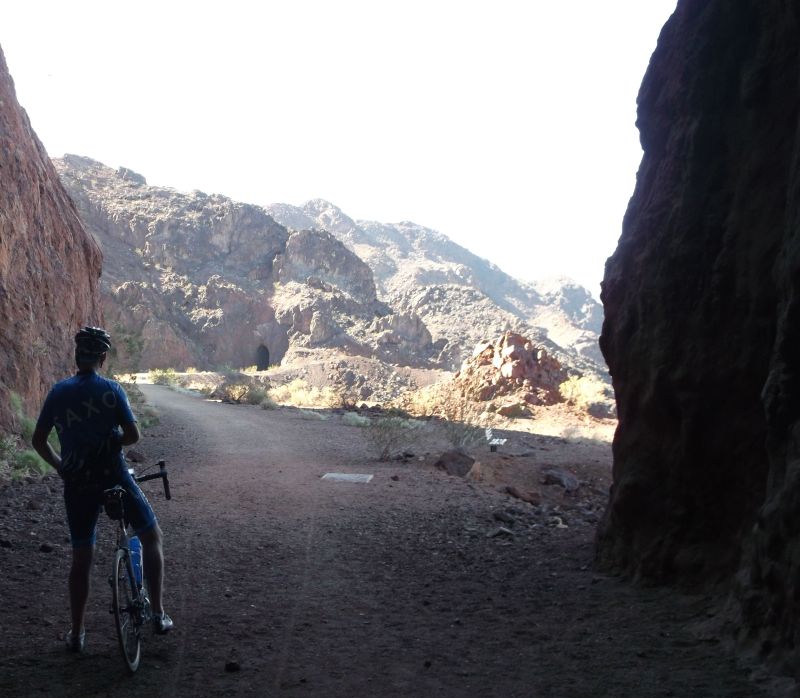
… the gravel Historic Railroad Tunnel Trail hugs the hills on the southern shoreline of vast Lake Mead. The rail-trail offers panoramic views of the manmade lake and snakes through five railroad tunnels on its way toward Hoover Dam.  After the dam was completed in 1935, the railroad ceased operation, and in 1962 the tracks were removed; the trail opened in 1995.

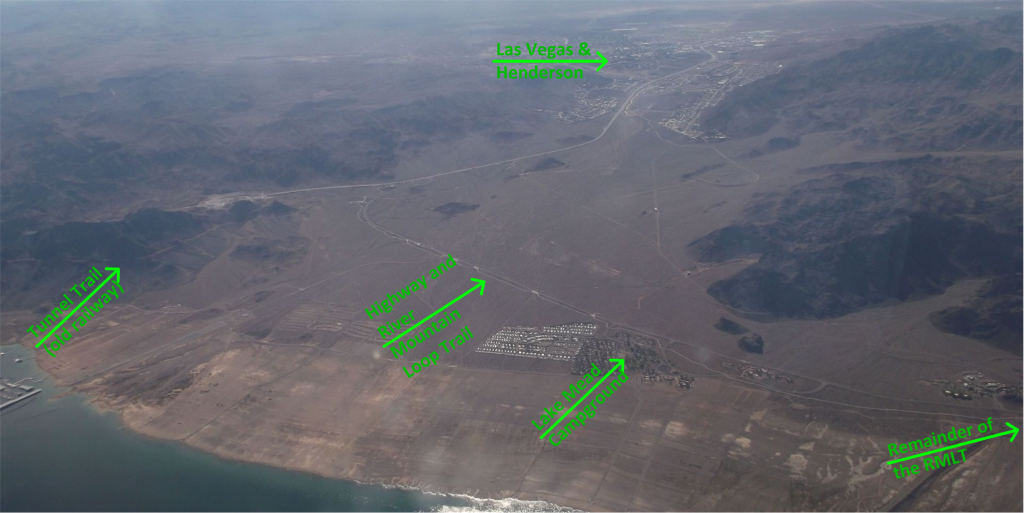
Riding on the rail way bed was fun but we were glad to be descending rather than trying to climb through the loose gravel.  Five tunnels give a brief respite from the heat and vistas down to Lake Mead were around most corners.

2014-10-31 - Leaving one Tunnel and Starting Another

2014-10-31 – Leaving one Tunnel and Starting Another

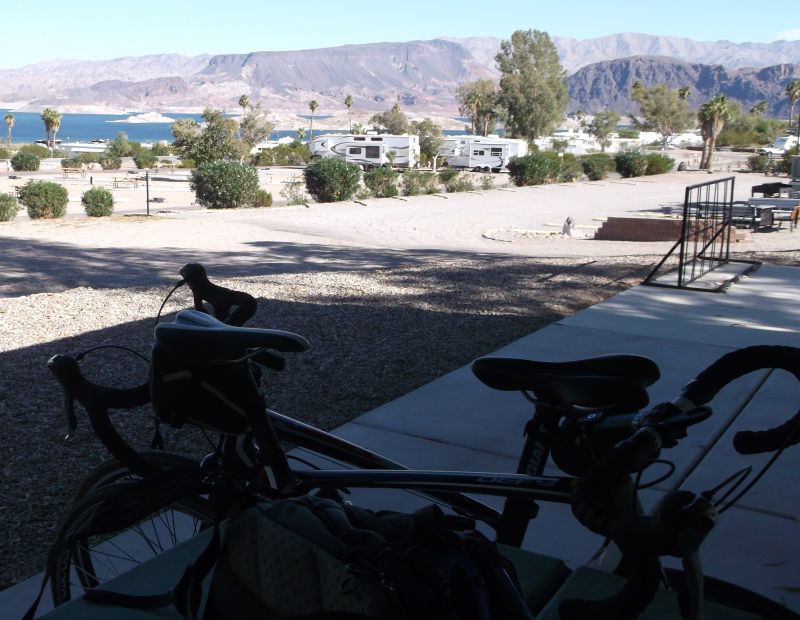
A quick snack at the campground just off the River Mountain Loop Trail brighten our spirits, fluids and energy levels.  Little did we know how much we would need of all three over the next few hours.

2014-10-31 - Lake Mead from the Campground

2014-10-31 – Lake Mead from the Campground

River Mountain Loop Trail

After the campground, civilization quickly fell away (well except for the excellent asphalt trail we were riding on) to be replaced by desert vistas and rocks.  Also making its presence known were long hill climbs up and out of the Lake Mead valley.  Making the effort more challenging were the +30C temperatures which saw water being sweated out faster than it could be consumed.

2014-10-31 - The Desert and the Ascent

2014-10-31 – The Desert and the Ascent

Completing the River Mountains Loop Trail

Six hours, about 4 litres of water and 74+ km later, we returned to our starting point.  Dehydrated and exhausted – we still had enough energy to hit the Vegas strip during a very crazy Halloween Night.  Supper at Gordan Ramsay’s Burgr Bar and stroll afterwards capped off an excellent day of riding and bucket list kicking!

RTC - Bike Map - detail of Day 1

RTC – Bike Map – detail of Day 1

2014-10-31 - Lake Mead Overview

2014-10-31 – Lake Mead Overview

S(p)in City – Cycling Vegas: an overview

I started writing trip logs (a much more manly term than scrap booking) on adventures about 20 years ago.  I have tried a few different formats such as a log book, word document, and a desk top publishing tool.  Given that I have yet to re-read many of the trip logs, perhaps a blog is way to go as a method to remember where I have been and what I did once I was there.

By way of a note to myself, because this blog will be available on the www (including to spammers and nasty people who visit my site); I have purged most personal details and tried not to post too many pictures showing faces, focusing on landscapes instead.  Look to Facebook and secure to see more personal content.

With these caveats in place, here it goes, my first blog-trip-log!

Cycling Vegas – an Overview

Las Vegas, sin city is also Spin City.  Unknown to many visitors, Las Vegas and environs is a cycling destination. Beyond the Strip, bike lines, canyons, the Hoover Dam and desert vistas await. The Edmonton Bicycle and Touring Club (EBTC) ran a 5 day event that combined 3 days of riding and a bit of what Las Vegas is best known for. The trip left on October 30, 2014 with a November 3 return.  Using a hub/spoke model from the Green Valley Ranch in Henderson Nevada (GVR), this trip was an intermediate ride meaning a moderate level of physical condition and cycling experience.

The trip details are available and Frank’s Packing List – Vegas 2014 for the trip are provided (mostly) for my future reference and so I don’t need to go and find that lost log book of adventures.

Blogs and Key Links

Getting There

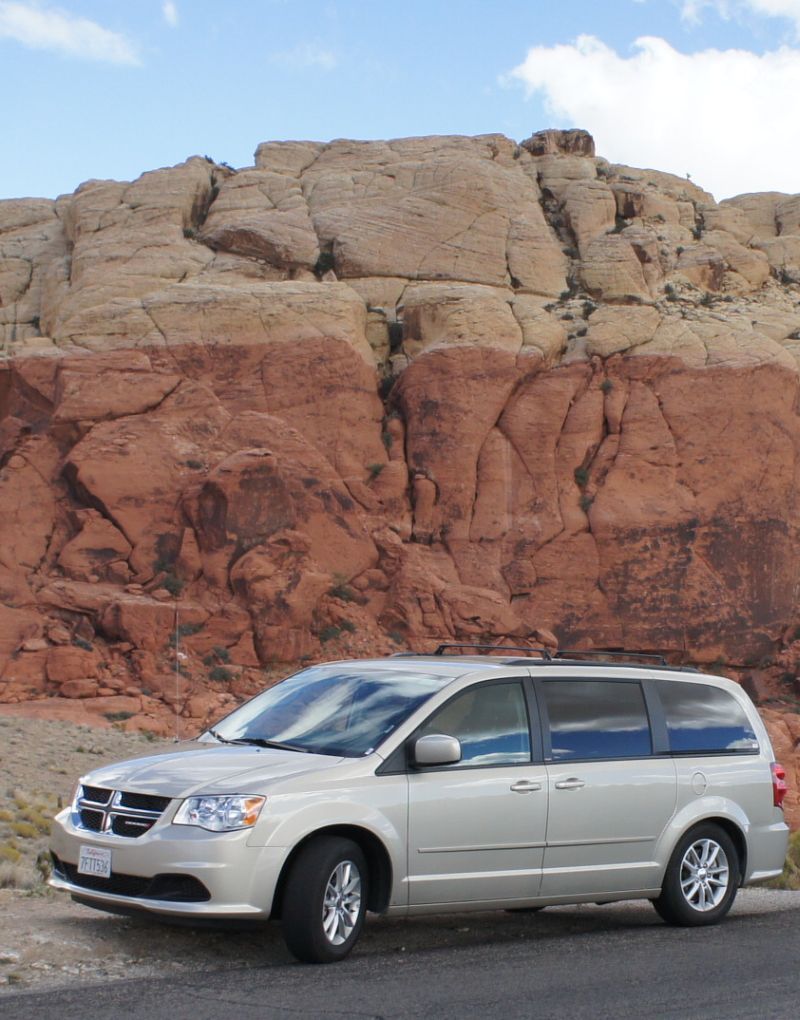
Billed as an EBTC ride, (un)fortunately, only the two organizers, Frank and G., signed up.  They travelled to Las Vegas via West Jet on October 30 and picked up their rental van.  As a turns out, the Dodge Caravan was a great investment as it both permitted transportation and a safe place to stow the rented bikes.

A great place to stow bikes and cruise the Vegas strip.

A great place to stow bikes and cruise the Vegas strip.

The bikes were were rented from J.T.’s Bicycles in Henderson Nevada at a cost of about $150USD for each – which included an emergency repair kit (tube, multi tool, C02 pump) and putting on the pedals and saddles that we had brought with us.

2014-11-02 - Our Trusty Steads

2014-11-02 – Our Trusty Steads

Both G. and I liked the bikes although the smaller frame and bent handle bars took some getting used to on my part.  I was hoping for a third granny gear on the front sprocket for hill climbing but was this was not available.  As a result, G’s powerful lungs carried him to the top of the ascents where as I huffed and puffed my way up, typically having to traverse the trail or road to reduce the hill slope.

With bikes, a van to store them and place to sleep (read on for my Tripadvisor.com review of GVR) – we were ready for our first day of adventure, Hoover Dam.  But where to cycle, time for a quick overview of riding in Vegas.

Riding in Vegas – An Overview

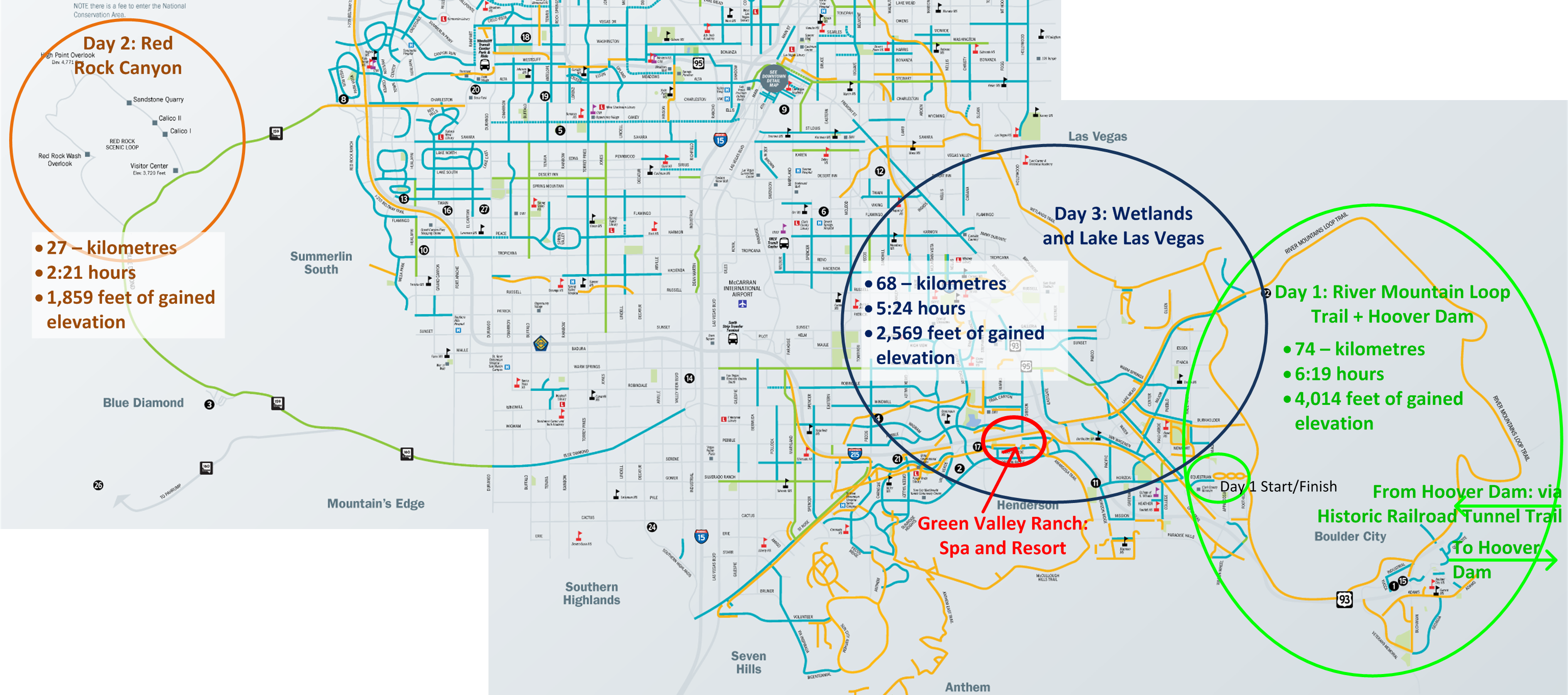
There are a LOT of bike and shared trails in and around metro Las Vegas.  I looked for an exact number (and could not find it) but did discover, there are lots.  This trip focus on three different sections of these trails: River Mountain Loop, Red Rock Canyon and the Wetlands/Lake Las Vegas.

Three Cycling Days - 2014 Las Vegas

Three Cycling Days – 2014 Las Vegas

G and I rode primarily in the eastern portion of the metro-Vegas area with the exception of Day 2, Red Rock Canyon.  There are still lots of the bike trails to explore including numerous Rail to Trail routes.  It looks like my bucket list just go bigger!

Day/Date Ride Distance and Elevation
Day 1: October 31 Hoover Dam and the Loop 74 – kilometres
6:19 hours
4,014 feet of gained elevation
Day 2: November 1 Red Rock Canyon 27 – kilometres
2:21 hours
1,859 feet of gained elevation
Day 3:November 2 Wetlands and Lake Las Vegas 68 – kilometres
5:24 hours
2,569 feet of gained elevation
Totals 169 – kilometres
14:04 hours
8,442 feet of gained elevation

OK priced, clean, safe and very far sans auto

Trip Advisor review of Green Valley Ranch
I stayed at GVR for a 3-day bicycling holiday over the 2014 Halloween weekend; so yes, there is more to do in Las Vegas than gamble away your kid’s college fund. Assuming that you have a vehicle or that you plan to spend the entire trip depleting your child’s educational future, GVR is a good location for accessing points throughout Las Vegas due to the proximity of the freeways.
The hotel was clean and grand in that Las Vegas faux reality sort of way. The staff were all friendly with nary a grump in the bunch (even the tie and jacket security guys would give you a nod hello). The pool would keep the kids entertained for a few days and there is a small garden beyond the pool in which the freeway noise is only a low throbbing. I did not see any signs of soccer, a playground set or the like – so other than the pool, GVR is at best neutral on the kid friendliness scale.
Keep this scale in mind if you don’t have a rental car because you are otherwise kinda stuck at GVR. There are some high-end shops nearby but the expect to cab, drive (or bicycle) to a nearby non-trendy grocery or drug store.
In side the casino there is a food court that seems surprisingly over priced. The buffet is a good value, at least for the two breakfasts we head there. $8 for all you can eat with a good variety and quality short beats a $20 cab ride for a box of corn flakes.
Overall, GVR seems to occupy the market space between the fancy strip hotels and the low-mid econo-casinos that dot Vegas.
Overall, I rate it “OK priced, clean, safe and very far sans auto”.
Stayed November 2014, travelled with friends

Writing as a Team Sport – In a Tasking Sort of Way

Last February I tried something in which I assembled a ‘virtual-team’ to help me review an article (see IAEA Property, Plant and Equipment Framework).  Given that this group provided such excellent advise, I thought I would try it again with my next article.

So, a huge note of thanks (and a libation or coffee on me next time I see you) to the following individuals who provided ‘friendly-peer-review’.  As in the last go round, the result was a much better article with bad bits beaten out with bats.

Thank you for the Use of Your Brain

Of course no good deed ever goes unpunished and to that end, the following are the folks who have helped me with the friendly-peer-review.  Hopefully I can return the favor in the future.  Also, if you are on the list and are logging this as professional development, feel free to refer to this post and notice below.

Person

Organization

 Anne-Marie A. Alberta Bone and Joint Health Institute 
Rhonda S. Andwa Consulting
 Pam Q. Athabasca University
 Catherine S. Government of Alberta
 Chad B. Government of Alberta
 Darwin B. Government of Alberta
 Stacey R. Government of Alberta
 Eric S. Government of Alberta
Shakeeb S. Government of Alberta
 Nicholas T. Social Metrics

To whom it may concern, the above individuals were asked to perform a friendly-peer review of an article intended to be published in the Financial Management Institute of Canada journal, FMI*IGF Journal. The estimated time to perform this review was between 2 to 3 hours. All of the above individuals demonstrated a firm grasp of the subject matter and helped to createnet-new original thought and critique through this peer-review which will be reflected in the final article. I welcome contact if further confirmation is required.

Openheimer, Los Alamos and Summer Camp for Physicists

The Manhattan Project is well-known to even the most history illiterate.  The general story is that $2 Billion (1940’s) dollars were spent on secret facilities (including one in New Mexico, Los Alamos) to beat the Nazis to building the bomb.  A German surrender meant that the bomb was dropped on Japan ending the hostilities of the Second World War.

Traditional history is that the two bombs saved about 500,000 allied soldiers from death and dismemberment and many fold more Japanese military and civilians.  Revisionist history suggests that Japan was on the state of surrender anyway and the bombings (in particular the second one on Nagasaki) were unnecessary.

Los Alamos National Laboratory; “Jumbo”, a 200 ton container, was originally intended to be a part of the Trinity test, but was eliminated in final planning. Credit: Digital Photo Archive, Department of Energy (DOE), courtesy AIP Emilio Segrè Visual Archives.

Before the bombs, there was the effort to create the bombs.  In perfect hindsight, it is generally acknowledged that the Germans had no hope of ever developing a similar device. They had neither the treasure, time or talent to do so (on the talent front, their policies encouraged many of the central players such as Teller, a refuge from Hungary, to be available for the British and American efforts).  Nevertheless, in the dark days of the early 1940’s such knowledge was not available and the assumption was that London or New York could become a smoking pile of radioactive waste.  And thus the most American effort to the build the bomb.

Jennet Conant explores this effort in her book, “109 East Palace: Robert Oppenheimer and the Secret City of Los Alamos”.  Conant is an excellent story-teller and this is a great read for the history or leadership buff.  There are two central figures in the book.  The first, well-known to history, Dr. Robert Oppenheimer and the second largely unknown, Mrs. Dorothy McKibbin.  Dorothy was Los Alamos’ first employee and she manned the Santa Fe address that was the front for the laboratory many miles away.  More than simply a functionary, she was the sole contact for hundreds and then thousands of scientists, engineers, contractors and their families while they were in virtual lock down for nearly two years.  She located hard to find and rationed supplies, was a confidant, tireless worker and supplied her home for a number of marriages amongst the inhabitants Los Alamos (due to war-time secrecy only their first names appeared on the marriage license).  Down to earth, practical and a friend to all she was the perfect foil for Oppenheimer who was brilliant and could be arrogant and oblivious to social niceties.

The book rounds out an understanding of Oppenheimer.  For example, he was an avid outdoors man who would spent days trail riding or hiking in the desert.  This was an aspect of his personality that I would have not have guessed.  As the Director of Los Alamos, Oppenheimer had every reason to fail as a leader of the Los Alamos project because of his temperament and political past.  In the end, he commanded respect and loyalty amongst those who stayed and toiled – or hatred and loathing amongst those who left.  The leadership lessons focus on the establishment of a clear objective (building the bomb) and learning how to reach out to those who look to you for your leadership.

109 East Palace is a great companion read about the history of the project.  Ms. Conant brings a female perspective to the book telling the stories of wives, secretaries and families locked behind the secure gates and fences.  Conant does this without losing site of the technical and scientific achievement of the two years in Los Alamos.

In the end, a highly recommended book for those interest in history and leadership from a military, scientific, and female perspective.

Breakthrough: Hughes and Banting

In my ongoing effort to remember what the heck I have read, some notes on a good (albeit not great, but a solid good) book: Breakthrough.

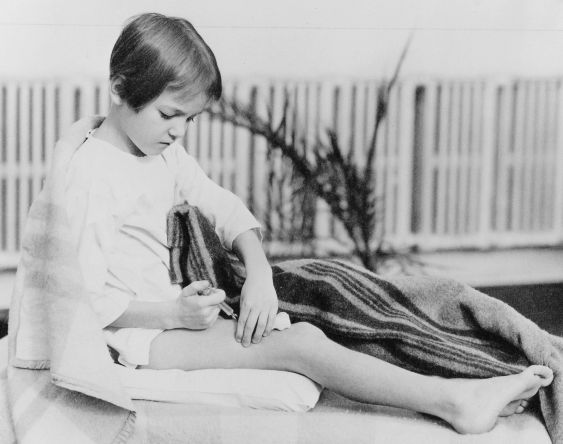
It is the story of the purification of insulin which has saved millions of lives.  The book itself focuses on the Canadian scientist Frederick Banting and a young American girl Elizabeth Hughes – who was one of the first to receive insulin.  The Chapters description of the book is excellent so take a read of that if you want a sense of the book and its story.

Young girl injecting herself with insulin.  Courtesy of the book's authors website: www.breakthroughthebook.com

Young girl injecting herself with insulin. Courtesy of the book’s authors website: http://www.breakthroughthebook.com

My thoughts on the book are two fold: a glimpse on a world gone by and a glimpse to a revered albeit fairly unsympathetic individual in the form of Dr. Banting.

The book starts with a look into a world of privilege for Elizabeth Hughes.  Born into wealth, power and status – her life changed in 1919 with the death sentence of a diagnosis of diabetes.  At that time, there was not a cure – only an existence that involved living in an isolated world away from the temptations of food and subsisting on a starvation diet. The images of emaciated bodies of young people who would haunt the world 25 years hence of Nazi concentration camps where self-inflicted by young people hoping to live long enough until there was a cure or a treatment for their affliction.

This is the glimpse into a world we know longer know, the world before the medical breakthroughs.  Although I was aware of effects of diabetes at an intellectual level, the book did a great job of bring it to a personal level.  That is the impact on a vibrant lovely young girl/woman who choose near starvation on the faint hope of a future cure.

In Canada (and certainly the developed world), diabetes is the most common chronic disease and its incidence is on the rise.  A scourge in first nation communities, its long term effects are heart breaking (blindness, amputation of limbs, other diseases).  As bad as these long-term effects are; dealing with them in the long-term short beats dying a horrible short-term death which was the scenario before insulin.

The other glimpse the book provides is into the competitive and ‘Keystone-cop-esque’ world of University research departments and Dr. Banting.  As a Canadian I wish I could say that Banting’s behaviour was an example to follow but alas he is a fairly unsympathetic character who was petty, jealous and quite frankly immature.  He was also driven to find a treatment for diabetes which allowed him to persevere in the face of setbacks and failure.  In the end, these failures are not remembered as well as his success in mitigating the horror of diabetes.

If you enjoy medical-history story and a fairly well written book about a time period distant but not that long ago – a well recommended read.  The authors have done a good job in weaving the personal stories of the two main protagonists (Banting and Hughes) around the larger historical drama.