A slight break from my other projects and to make good on noting interesting reads. In this case: “Glock; The Rise of America’s Gun” by Paul M. Barrett.


A slight break from my other projects and to make good on noting interesting reads. In this case: “Glock; The Rise of America’s Gun” by Paul M. Barrett.
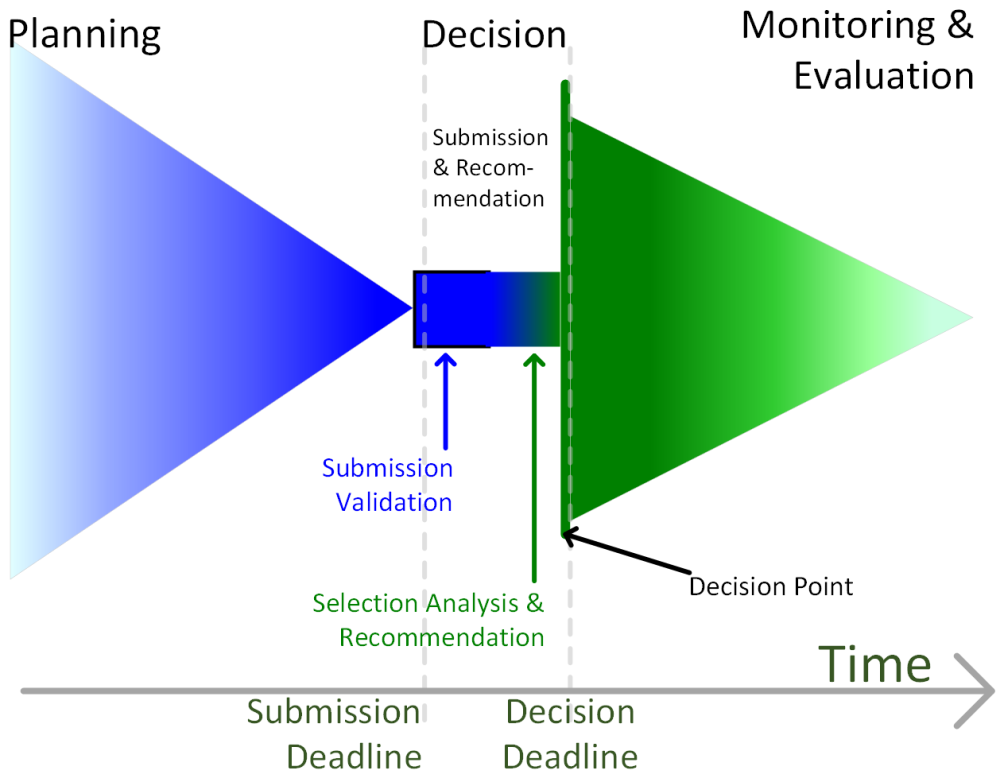
How does a ‘requester’ know that a ‘submitter’ has provide a correct, complete, accurate and relevant ‘submission’? A framework to evaluate the planning, receipt, and evaluation of submissions.
Most people have heard of the mnemonic SMART. What you may not know is that this heuristic will turn 40 next year. Written by George T. Doran, it was first published in 1981 [1].

This is a blog continues the series, ‘The RBM Plan!‘ looking at the challenges and criticisms for RBM. This topic allows an organization to design a RBM program tailored to their circumstances while hopefully escaping the mistakes and errors of other organizations.
Continue readingIn the ‘The RBM Plan!‘, I detailed a number of blogs in a series, this is the third. It is a brief visit to see how the United Nations are doing with their RBM implementation after nearly 20 years of effort and what other organizations can learn from this experience.

The blog introduces Results-Based Management (RBM), emphasizing its significance in public sector reform as outlined in “Reinventing Government”. It discusses the historical context of RBM, its endorsement by key organizations, and the challenges of implementing standardized practices. The focus is on ensuring effectiveness and accountability in public expenditures for optimal results.
Continue readingResults Based Management (RBM) is a fixture in international organizations and used to varying degrees by governments world wide. For Canadian business professionals or accountants, RBM is an unfamiliar term although they may be better acquainted with RBM’esque concepts such as portfolio investment management or continuous improvement.
(Author’s note: this post was the start of an ambitious writing plan that has not yet come to fruition.)
Continue readingIn my last blog, I introduced the ‘NOW-Event-Map‘. This model combines both a forward looking strategic planning model with a retrospective performance reporting model. At the center of the map is the enduring concept of ‘NOW’. At the end of the prior blog I promised some thoughts on how the map might be used – besides as an academic thought exercise.

The ‘Cone of (Un) Certainty’ has been a fixture in strategic planning for a few decades [1]. In reviewing these models I was struck by the assumption that planning ends…. and well that is it. To correct this, I would like to propose a planning model entitled: ‘The NOW-Event Map’. which considers both planning and delivery.

Some notes on a course I recently took as a volunteer with the Canadian Executive Services Overseas or CESO. Overall, a good course that was not too preachy and had useful information when working in different cultures. Highlights are as follows.

 Organizational Biology