For most people, we accumulate (or not) wealth slowly, year over year. We work, save, spend, borrow and then go back to work. For the (un)lucky few, wealth comes suddenly which can give rise to Sudden Wealth Syndrome (SWS).


For most people, we accumulate (or not) wealth slowly, year over year. We work, save, spend, borrow and then go back to work. For the (un)lucky few, wealth comes suddenly which can give rise to Sudden Wealth Syndrome (SWS).
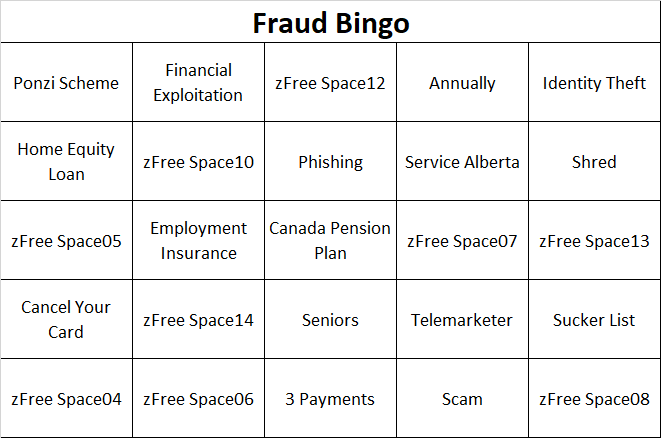
Central to most financial literacy programs is fraud awareness. How to keep the bad guys from getting your money, possessions or good name. Who Wants to be a Fraudster? is a variation of the classic bingo game in which participants match a term or concept to a fraud related question.
It is sometimes necessary to divide a group up randomly. While the good ole’ fashion count-down-the-line works, it fails to give the resulting groups a starting point of their own identity.
Continue readingYou would never confuse ketchup with the ketchup bottle. Ketchup is that blood substitute on your new white shirt while the bottle is the thing that slipped resulting in the white-shirt-blotch. If we can keep ketchup straight, why is it so hard with information?
Continue readingA client is undergoing a significant government re-organization. Specifically, what was an independent agency is becoming a Ministry (let’s call it the Ministry of Plans, MoP). As well, functions and responsibilities in other Ministries are being transferred to the MoP.
[IMAGE]
Continue readingOrganizations need to pick winners and losers. For example, a government must decide to whether to fund project X, Y or Z; a corporation only has the capital to build asset A, B or C.
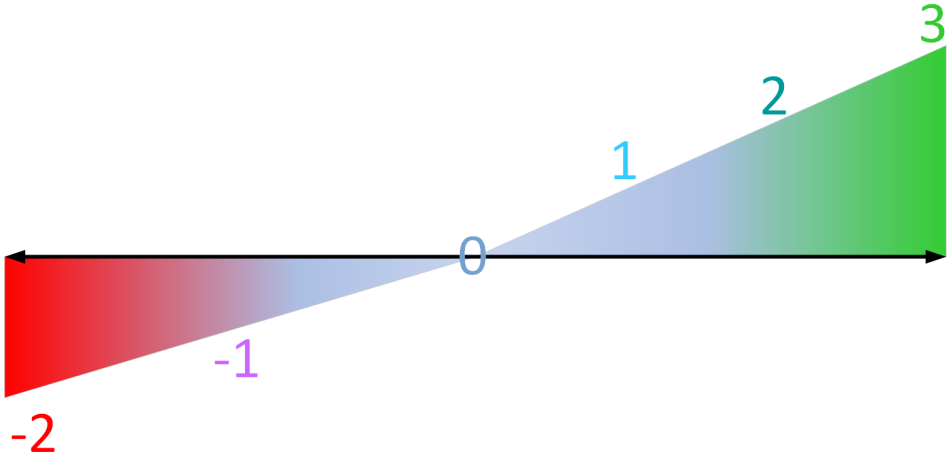
Most organizations have developed a portfolio selection and management methodology. There are typically 2 parts to such a process: a set of criterion and a scoring scheme to rank the criteria. In this blog, I want to focus on the second challenge, the scoring.
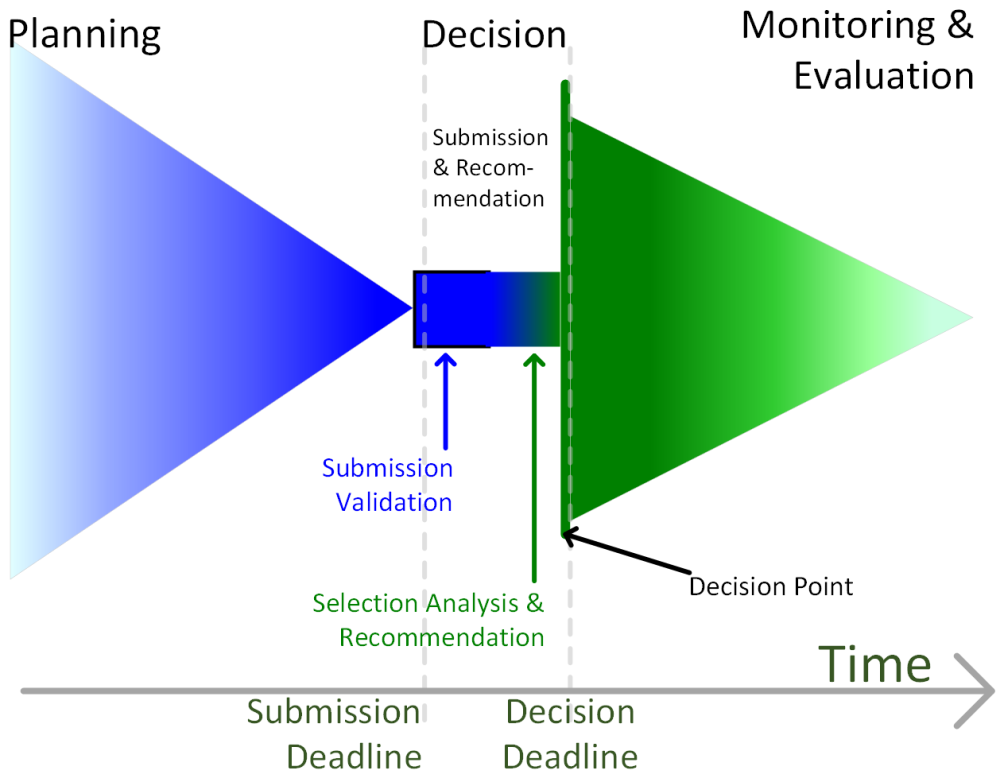
How does a ‘requester’ know that a ‘submitter’ has provide a correct, complete, accurate and relevant ‘submission’? A framework to evaluate the planning, receipt, and evaluation of submissions.
Most people have heard of the mnemonic SMART. What you may not know is that this heuristic will turn 40 next year. Written by George T. Doran, it was first published in 1981 [1].

This is a blog continues the series, ‘The RBM Plan!‘ looking at the challenges and criticisms for RBM. This topic allows an organization to design a RBM program tailored to their circumstances while hopefully escaping the mistakes and errors of other organizations.
Continue readingIn the ‘The RBM Plan!‘, I detailed a number of blogs in a series, this is the third. It is a brief visit to see how the United Nations are doing with their RBM implementation after nearly 20 years of effort and what other organizations can learn from this experience.

 Organizational Biology