It is sometimes necessary to divide a group up randomly. While the good ole’ fashion count-down-the-line works, it fails to give the resulting groups a starting point of their own identity.
Continue readingSeated By Season
Reply

It is sometimes necessary to divide a group up randomly. While the good ole’ fashion count-down-the-line works, it fails to give the resulting groups a starting point of their own identity.
Continue readingCalmar is a small town in central Alberta. Located in the heart of both the agricultural and energy industries of the province. Generally, the loops described below are on secondary paved highways with low to moderate traffic (except where noted). Options and side trips are provided.

Have you ever heard of the ‘Peter Principle‘? It was a satirical management theory developed by Laurence Peters in the late 1960’s. At the center was the maxim that everyone rises to their level of incompetence. You get promoted based on past good work until you are in a position in which your skills, experience and aptitude are no longer aligned with the job functions. Meant to be tongue in cheek, what happens if we don’t have to stay incompetent – what happens if we can become a different person?

This is the basis of the book, ‘What Got You Here Won’t Get You There‘ by Marshall Goldsmith and Mark Reiter.
Continue readingObjectives are a cornerstone of organizational control and risk management. So far so good, but how do you know if you have a good objective? More important, how do you know if you have a real-stinker on your hands?

You would never confuse ketchup with the ketchup bottle. Ketchup is that blood substitute on your new white shirt while the bottle is the thing that slipped resulting in the white-shirt-blotch. If we can keep ketchup straight, why is it so hard with information?
Continue readingA client is undergoing a significant government re-organization. Specifically, what was an independent agency is becoming a Ministry (let’s call it the Ministry of Plans, MoP). As well, functions and responsibilities in other Ministries are being transferred to the MoP.
[IMAGE]
Continue readingIn my ongoing effort to remember what I have read, some notes on the book: Happy Accidents; Serendipity in Major Medical Breakthroughs in the Twentieth Century by Morton A. Meyers.

Organizations need to pick winners and losers. For example, a government must decide to whether to fund project X, Y or Z; a corporation only has the capital to build asset A, B or C.
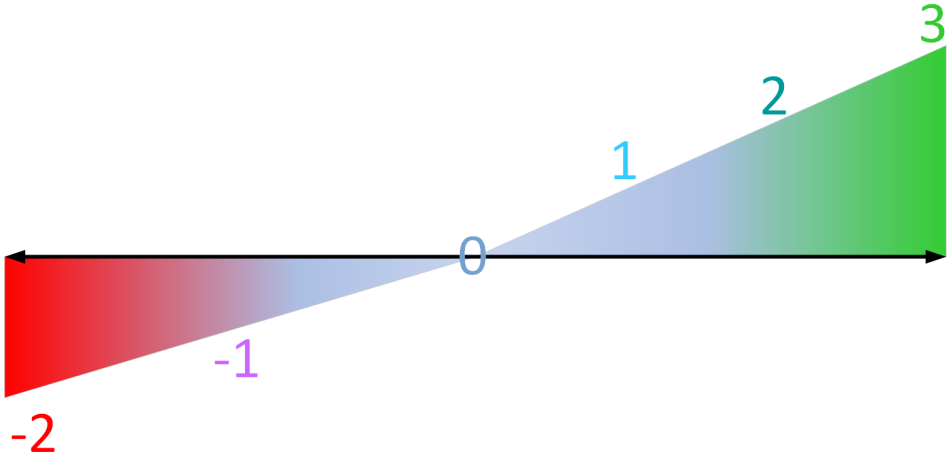
Most organizations have developed a portfolio selection and management methodology. There are typically 2 parts to such a process: a set of criterion and a scoring scheme to rank the criteria. In this blog, I want to focus on the second challenge, the scoring.
A slight break from my other projects and to make good on noting interesting reads. In this case: “Glock; The Rise of America’s Gun” by Paul M. Barrett.

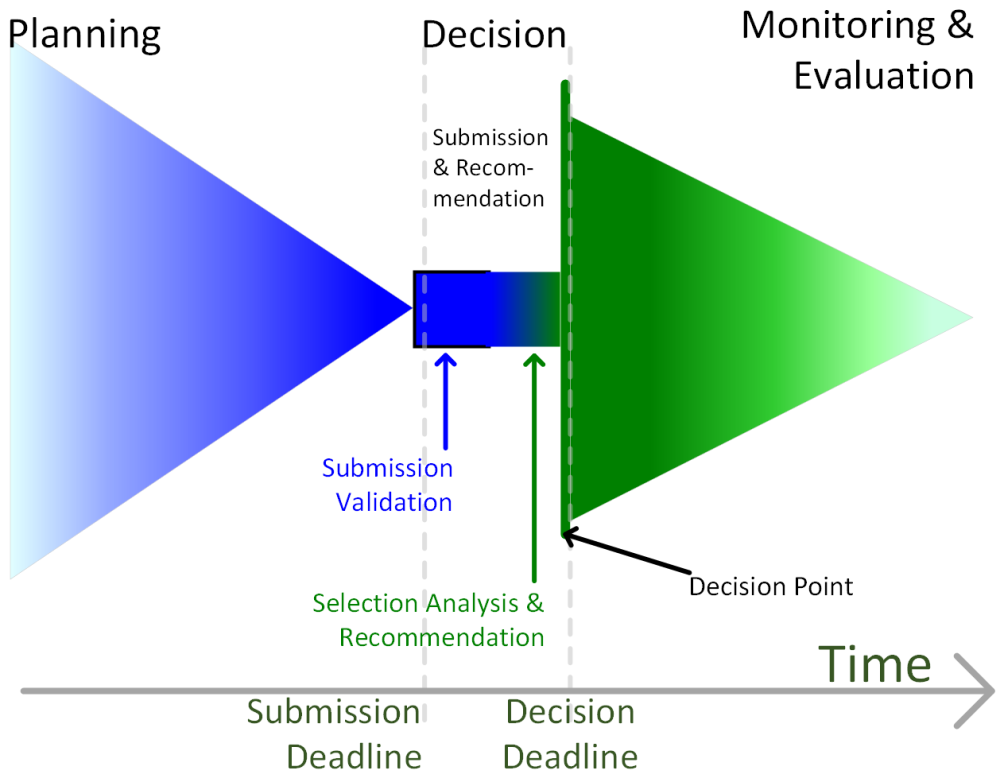
How does a ‘requester’ know that a ‘submitter’ has provide a correct, complete, accurate and relevant ‘submission’? A framework to evaluate the planning, receipt, and evaluation of submissions.
 Organizational Biology